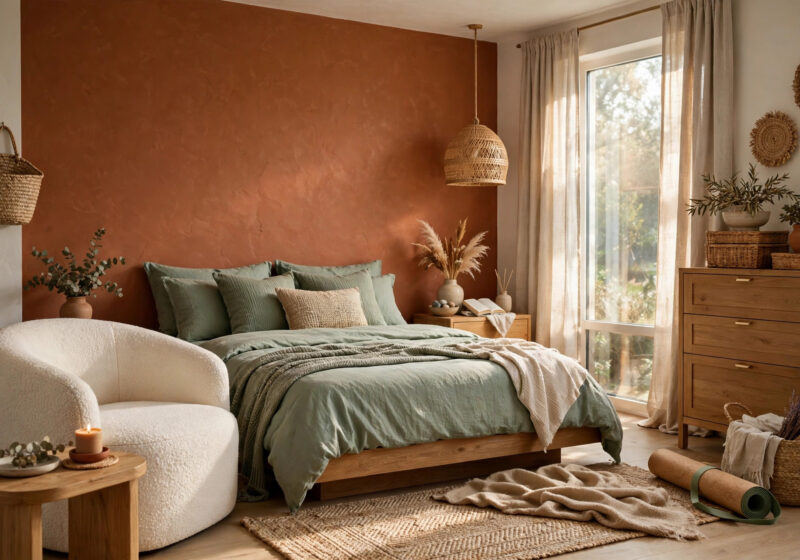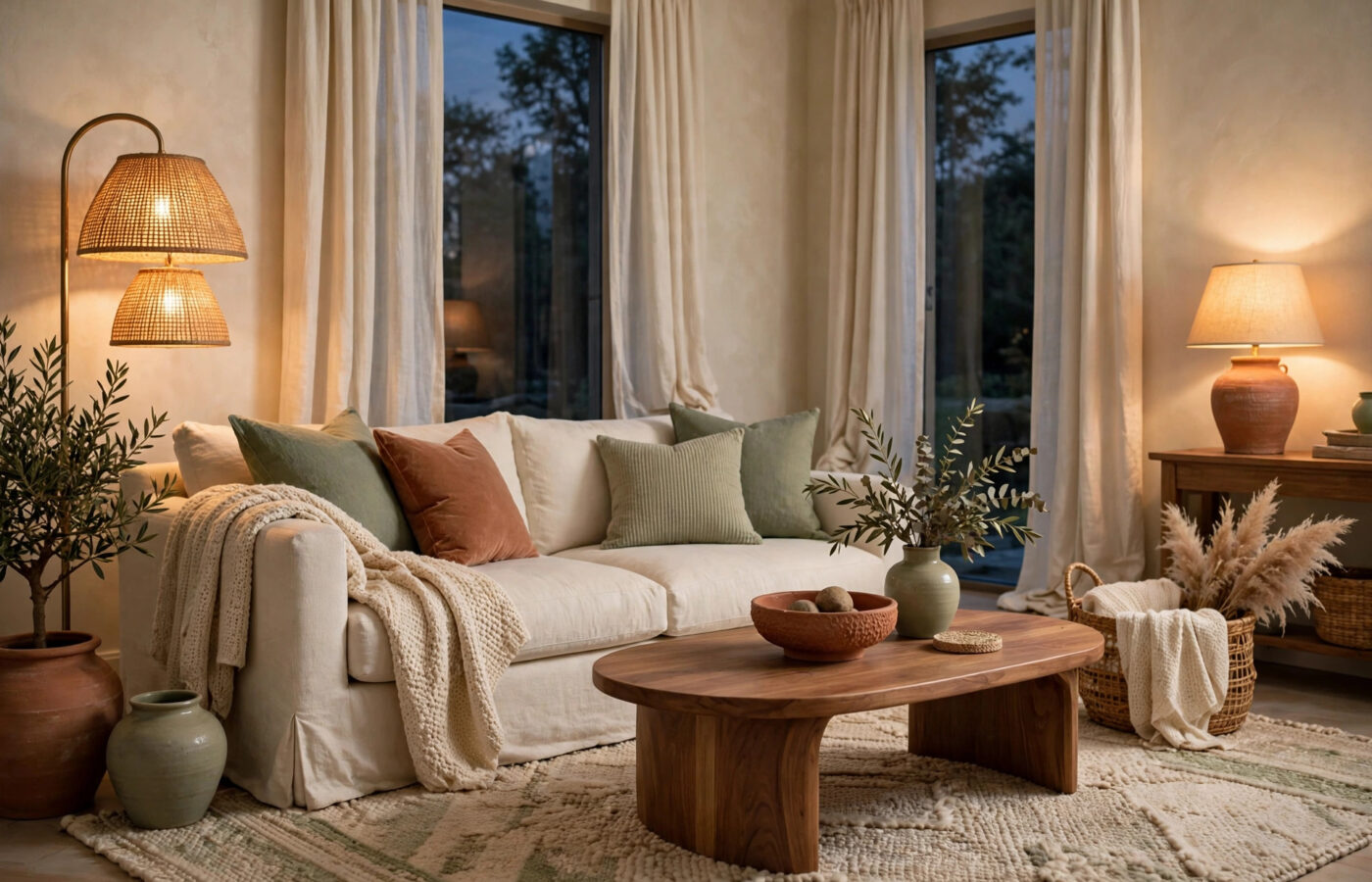
There is a moment in every makeover show where a room looks “done” but still feels wrong. The furniture is new, the paint is fresh, yet the space reads decorated rather than transformed. Design designmode24 exists to explain that moment — and to prevent it. A room only truly transforms when three things change together: its surfaces, its textures and its light.
Key Takeaways
- A room transforms once surface, texture and light all shift together — the 3-touchpoint rule.
- Changing only one (new paint alone, for example) produces a decorated room, not a transformed one.
- Sequence matters: surfaces first, because paint and flooring set the palette everything else answers to.
- Kitchen and bathroom work still leads national renovation spending, which is why transformation budgets usually start there.
What Is Space Transformation in Design DesignMode24?
Space transformation is a coordinated change to a room’s surfaces, textures and light sources that alters how the room is perceived and used. It differs from decorating, which adds objects without changing the room’s underlying character. A new cushion is decoration. New wall color, layered textiles and re-planned lighting, chosen together, are transformation — the room feels different because its fundamentals moved.
The 3-Touchpoint Rule, Explained
Touchpoint 1: Surface
Surface is what covers the room’s bones: wall paint or paneling, flooring, ceiling finish, cabinet fronts. It is the largest visible area and the cheapest to change per square foot — which is why a paint change alone can feel like progress. But surface sets only the backdrop. On its own it cannot change how a room feels to sit in.
Touchpoint 2: Texture
Texture is what the eye and hand read up close: linen against leather, rough stone beside smooth plaster, woven rugs over hard floors. A room in one texture reads flat in person and in photographs. Transformation needs at least two contrasting textures working together, ideally three or four materials in the mix.
Touchpoint 3: Light
Light decides whether the other two touchpoints are visible at all. Layered lighting — ambient for fill, task for work, accent for mood — can make an unchanged room feel transformed at night, which is why it is the most commonly skipped and most powerful touchpoint. Swap a single harsh ceiling bulb for lamps at two heights and the same furniture photographs like a different home.
Why Sequencing Matters: Surface, Then Texture, Then Light
The order is not arbitrary. Paint and flooring set the palette, and every textile and fixture choice afterwards responds to that palette. Choose the sofa fabric before the wall color and you will spend the project negotiating with your own furniture. The working sequence of design designmode24 is:
- Surfaces — paint, flooring, paneling, cabinet color.
- Fixed texture — stone, wood, tile, metal finishes.
- Soft texture — curtains, upholstery, rugs, cushions.
- Light — fixtures and bulb temperatures tuned to the finished palette.
- Objects last — art, plants, books, the personal layer.
This is the same discipline behind our main interior design designmode24 method: measure, plan, set the palette, layer light, decorate last.
Transformation Examples, Room by Room
The Living Room That Felt “Fine”
Surface: walls from cold grey to creamy beige. Texture: a woven wool rug over the wood floor, linen curtains replacing blinds. Light: the ceiling spot swapped for a warm floor lamp plus two table lamps. Nothing structural changed, yet guests now ask what was renovated.
The Bedroom That Would Not Relax
Surface: one deep sage accent wall behind the bed. Texture: layered bedding — cotton, a knitted throw, a velvet cushion. Light: blackout curtains and warm bedside lamps with no overhead light used after 8 pm. The room’s job — sleep — finally matches its design. Our bedroom design guides break this pattern down further.
The Rental Living Room
Renters cannot always change surfaces with paint — so lean harder on the other two touchpoints. A large light rug changes the floor surface visually; curtains and layered textiles do the texture work; lamps do the light. When paint is allowed, it replaces the rug as touchpoint one — the rule flexes, the count stays three.
Budget Tiers: What Transformation Costs
| Tier | What Changes | Typical Material Cost |
|---|---|---|
| Refresh | Paint one room + textiles + lamp changes | About $249 (standard bedroom) |
| Transform | Refresh + flooring or paneling in one room | $800–$2,500 depending on materials |
| Renovate | Transform + layout, kitchen or bathroom work | Project-priced; kitchens and baths lead national spend |
Even at the refresh tier, the rule holds: divide the budget across all three touchpoints instead of spending it on one. $249 split between paint, curtains and lighting transforms; $249 spent on a single statement chair decorates.
Regional Note: Light Is a Local Material
How aggressively you manage daylight depends on where you live. Homes in intense-sun regions plan sheers, shutters and orientation around glare control; northern homes plan to capture and warm every available lumen. Design designmode24 treats natural light as the fourth surface — assess it room by room before choosing paint depth, because the same sage reads three shades apart in different light.
Frequently Asked Questions
What is design designmode24?
Design designmode24 is a space transformation approach built on the 3-touchpoint rule: change a room’s surface, texture and light together, in that sequence, so the room is genuinely transformed rather than simply decorated.
Can I transform a room by painting only?
Paint alone changes one touchpoint. The room will look refreshed but feel the same. Add a texture change (rug, curtains, upholstery) and a lighting change, and the transformation completes.
What should I change first in a room?
Surfaces — paint and flooring — because they set the palette every later decision answers to. Then fixed textures, then soft textures, then light, then objects.
How much does a basic transformation cost?
A standard bedroom refresh across all three touchpoints runs about $249 in materials: paint, hardware, curtains and one light fixture, ranked by cost in our complete guide.
Does the 3-touchpoint rule work for kitchens and bathrooms?
Yes — cabinet color or tile (surface), stone and wood textures, and layered task lighting follow the same rule. In bathrooms, always fix ventilation before cosmetic touchpoints.
Conclusion
Design designmode24 gives you a test for every makeover plan: count the touchpoints. If only one changes, expect decoration. If surface, texture and light change together — in sequence, on a measured plan — expect transformation. Start with the room you live in most, run its numbers with our paint calculator, and build the plan three touchpoints at a time.