The houzz fall design trends 2026 report is out, and its message is unmistakable: American homes are getting warmer, more personal, and built to last longer. Houzz interviewed nearly 50 home design professionals for its 2026 U.S. Fall Design Trends Report, and the pros describe a clear break from the stark white-and-gray interiors that dominated the last decade. Warmth is no longer a passing trend. It is the new foundation of home design, layered with natural materials, collected objects, and rooms planned to evolve with the families who live in them.
The report is grounded in what designers are actually specifying for real clients this fall, backed by numbers from the 2026 Houzz & Home study. Nearly two-thirds of homeowners (61%) plan to stay in their homes for 11 years or more after a renovation, and 44% describe their house as a forever home. That single fact explains almost everything else in the report: when people plan to stay, they design for comfort, character, and the long term instead of for resale.
Below are the five shifts the report identifies, plus practical, room-by-room advice for using each one in your own home — whether you are planning a full renovation or a weekend refresh.
What the Houzz Fall Design Trends 2026 Report Actually Found
Houzz built the report from interviews with nearly 50 home design professionals across the United States, asking what they are seeing in client briefs, material orders, and finished projects this fall. The findings line up with the direction Houzz flagged in its earlier 2026 Emerging Trends Report, but the tone has changed. Where warmth was once described as an emerging preference, the pros now treat it as the baseline — the starting point every other decision builds on.
1. Warmth Is the New Baseline
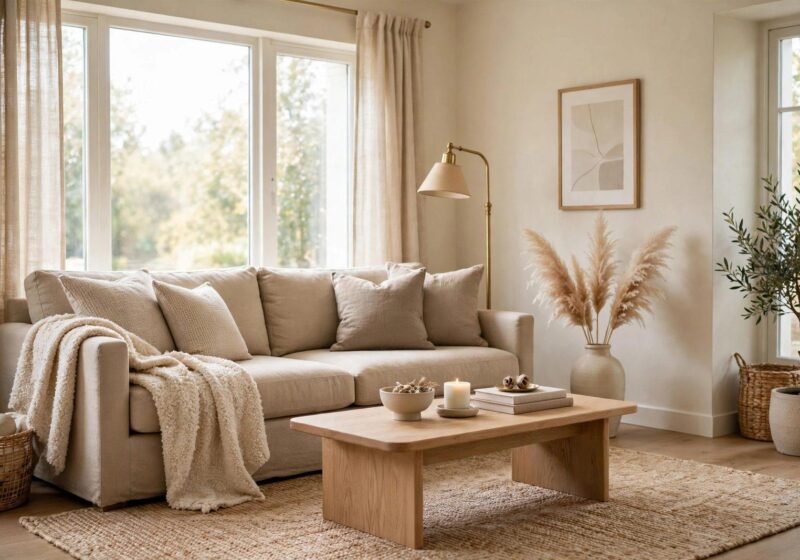
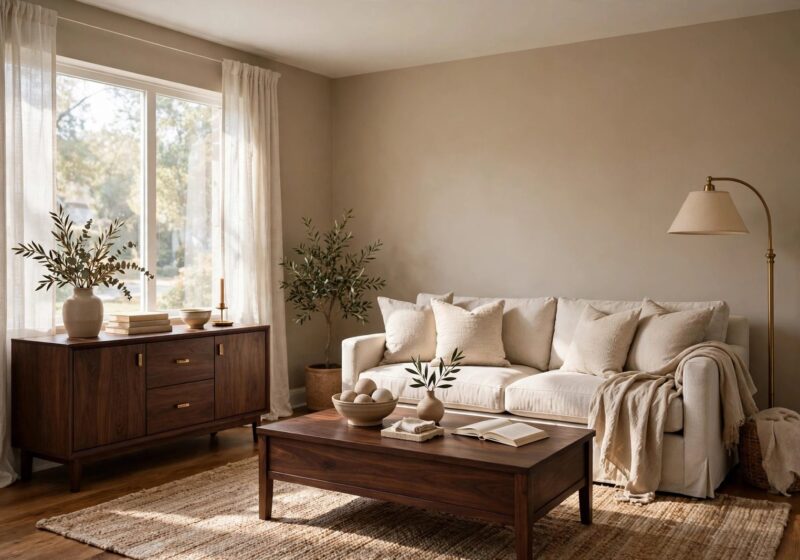
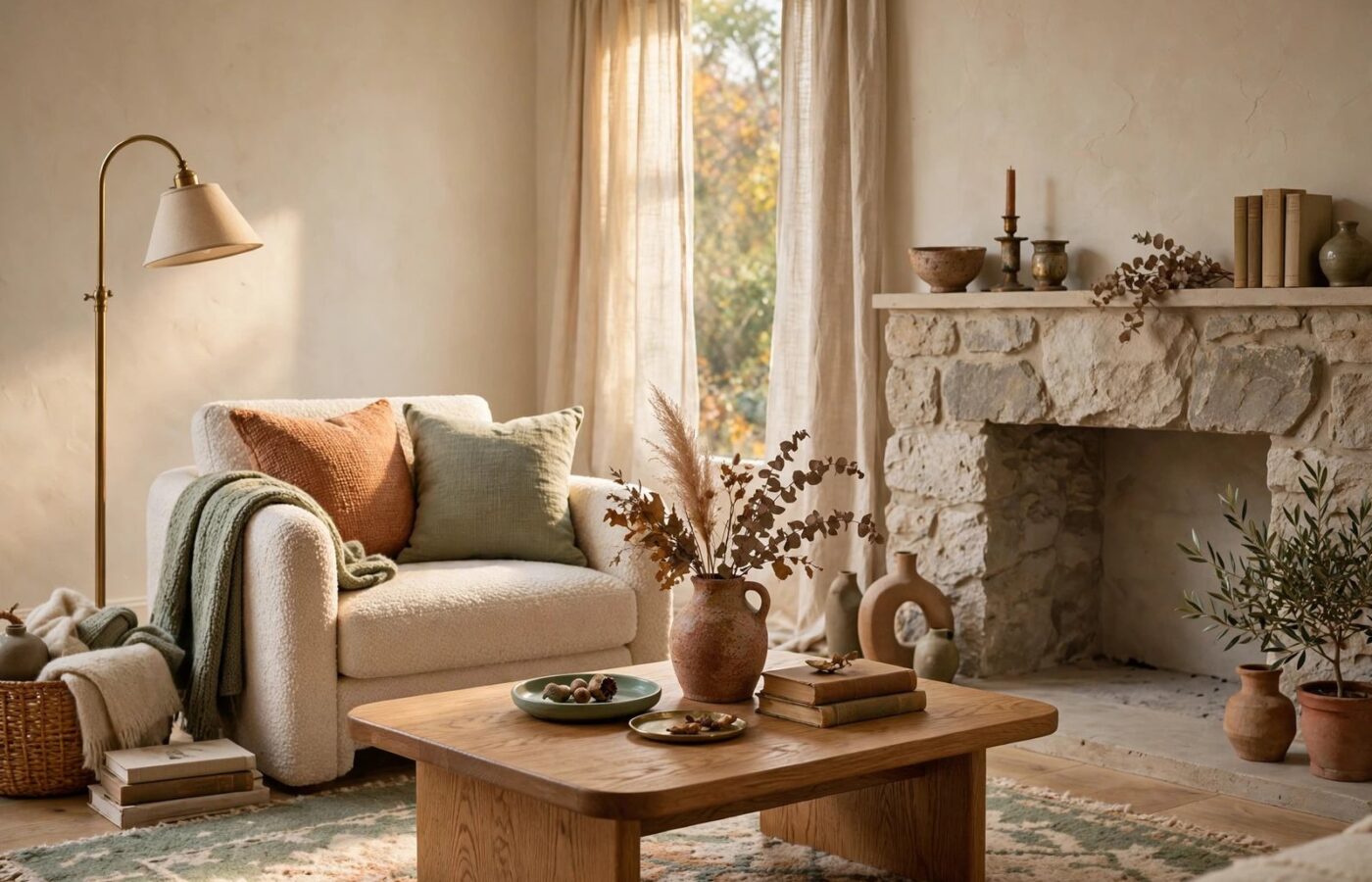
The headline finding of the houzz fall design trends 2026 report is simple: the move away from stark white and cool gray is over, and warmth has taken their place as the default. But the pros are careful to say this is not a simple paint swap. Homeowners are not just trading a gray wall for a beige one. They are layering warm wood tones, earthy colors, multiple textures, and natural materials to give rooms more depth and personality.
How to layer warmth room by room
Living room: Start with the largest surfaces. If repainting, choose a warm neutral with a yellow or red undertone — creamy whites, soft taupes, and sandy beiges are the safe core of this trend. Then add one warm wood element, such as an oak coffee table or walnut shelving, and one textured textile, like a chunky knit throw or a boucle accent chair.
Kitchen: This is where the trend is most visible in new builds. Warm wood cabinetry, butcher-block counters, and unlacquered brass hardware replace the all-white kitchen of five years ago. If a full remodel is out of reach, swapping cabinet hardware to aged brass and adding a wood cutting-board display delivers a surprising share of the effect for very little money.
One caution: warmth works best in balance. A room with warm walls, warm wood, warm textiles, and warm lighting can tip into monotony. Keep one cool or crisp counterpoint in each room — a black metal frame, a white ceramic vase, a cool stone surface — so the warmth reads as intentional rather than muddy.
2. Collected, Layered Interiors Take Hold
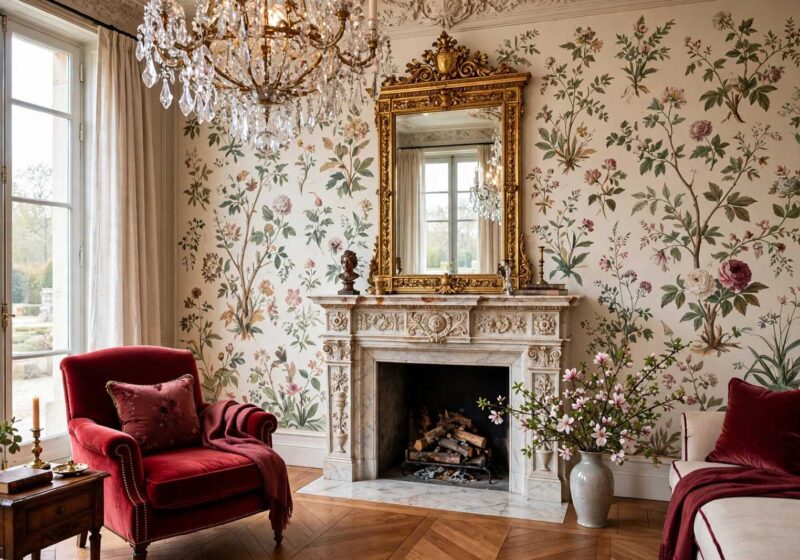
The second shift is the continued move away from minimalism toward rooms that feel thoughtfully assembled over time. The report describes homeowners favoring character, history, and personal storytelling over off-the-shelf perfection. A living room in this style might pair a vintage armchair with a new sofa, a flea-market mirror with a contemporary lamp, and books and objects gathered over years rather than bought in a single shopping trip.
This is the trend most likely to save you money, because it rewards what you already own. The skill is in the editing: a collected room is curated, not cluttered. Designers recommend grouping objects in odd numbers, repeating one material or color across the room to tie disparate pieces together, and leaving genuine empty space on shelves so each object can breathe.
3. Character and Personality Matter More Than Perfection
The third trend focuses on materials and details rather than furniture. Pros report a deeper appreciation for materials that carry a sense of history: handcrafted tile, artisan plaster, natural stone, aged metals, vintage pieces, and original architectural elements. The common thread is a lived-in look that prioritizes authenticity over surfaces that are too precious to touch.
Just as importantly, homeowners are less interested in designing for resale or following a prescribed look. The report notes that clients increasingly ask for homes that reflect their own lifestyles — the layouts they actually live in, the materials they love, and the objects they display. That confidence is showing up in bolder individual choices: unusual tile patterns, expressive wallpaper, distinctive furnishings, and colors chosen because the homeowner loves them, not because a trend forecast blessed them.
For a practical application, pick one surface in your home to give character. A handcrafted tile backsplash in the kitchen, a plaster-finish accent wall in the entry, or a vintage rug in the dining room each add the artisan note the report describes. Imperfection is the point: the slight variation in a handmade tile or the patina on aged brass is exactly what makes the room feel real rather than staged.
4. Natural Materials Get More Expressive
The fourth finding takes the natural-materials story a step further. Choosing wood cabinetry or a stone countertop is no longer the statement — the statement is how expressive those materials are allowed to be. Pros are seeing more appreciation for the variation, texture, and imperfections that make natural materials feel authentic: the veining in a marble slab, the knots in a wood beam, the uneven glaze on a handmade tile.
Natural stone is showing up in unexpected applications, including sinks, furniture, and lighting, not just countertops and floors. Handmade and high-variation tile, honed and leathered stone finishes, plaster walls, and warm wood all contribute to a more tactile look. The finish matters as much as the material: honed and leathered stone reads softer and more natural than high-polish, and a matte plaster wall catches light in a way flat paint never will.
5. Pros Are Designing Homes to Evolve
The fifth and most consequential shift is about time. Long-term livability is becoming a standard of good design rather than something homeowners address only when a need arises. The 2026 Houzz & Home study found that nearly two-thirds of homeowners (61%) plan to stay in their homes for 11 years or more following a renovation, and 44% describe their residence as a forever home. Those numbers reshape every other decision, from layout to storage to the features worth investing in.
Pros report a rise in requests for features that make a home comfortable to navigate at any stage of life — wider doorways, step-free entries, main-floor bedrooms — but the report stresses that the mindset extends well beyond physical accessibility. Accessory dwelling units (ADUs) and secondary suites are being designed to accommodate multigenerational living, extended guest stays, rental income, and future family needs. A suite that houses an aging parent today can become a rental or a home office tomorrow.
The design lesson is to plan for the second use of every space. Before you commit a room to one purpose, ask what it could become in five years. A guest room with a proper closet and a desk nook converts easily to an office. A playroom with durable flooring and built-in storage becomes a teen lounge or a gym. Flexibility is the cheapest form of future-proofing, and it costs nothing to build into the plan.
Houzz Fall Design Trends 2026 at a Glance
| Trend | What is changing | Easiest first step | Budget |
|---|---|---|---|
| Warmth is the baseline | Cool gray gives way to layered warm wood, earthy color, and texture | Repaint one room in a warm neutral; swap to 2700K bulbs | $–$$ |
| Collected, layered interiors | Minimalism fades; rooms feel assembled over time | Add one vintage or handmade piece; edit shelves to odd-numbered groups | $ |
| Character over perfection | Handcrafted tile, plaster, aged metals, and personal choices win | One artisan surface: a tile backsplash or plaster accent wall | $$ |
| Expressive natural materials | Stone, wood, and tile show their variation and imperfection | Choose honed or leathered finishes; pick your own slab | $$–$$$ |
| Homes designed to evolve | 61% stay 11+ years; ADUs, suites, and wellness spaces planned in | Keep one room flexible; plan a second use for every space | $–$$$ |
How to Use These Trends Without Renovating Everything
Five trends can feel like five projects. The smarter approach is to treat them as one direction with five entry points, and to start where the impact per dollar is highest. In most homes that means the living room first, because it is where the family spends the most time, then the primary bedroom, then the kitchen.
A practical sequence for a single weekend: repaint the living room in a warm neutral (and check how much paint you will actually need with our paint calculator before you buy), replace cool-white bulbs with warm-white ones throughout the main rooms, and add one textured layer — a wool throw, a linen cushion cover, or a woven basket. That single weekend covers the warmth trend, adds a natural-material note, and begins the collected look.
If you want a deeper seasonal comparison, our earlier roundup of fall 2026 interior design trends from High Point Market covers the trade-show side of the same season, including the furniture and upholstery directions that pair well with the Houzz findings.
Frequently Asked Questions
What are the Houzz fall design trends 2026?
The houzz fall design trends 2026 report names five shifts: warmth as the new baseline, collected and layered interiors, character and personality over perfection, more expressive natural materials, and homes designed to evolve. Houzz based the report on interviews with nearly 50 home design professionals, plus data from the 2026 Houzz & Home study.
Is gray really out of style now?
Cool gray is fading as a default, but gray itself is not banned. The report describes a move away from stark white-and-gray schemes toward warm neutrals, warm woods, and earthy colors. A warm gray with brown or green undertones still fits the new palette; it is the cold, flat builder gray that reads as dated now.
How much does it cost to follow these trends?
Very little, if you start with the low-cost moves. Repainting one room, swapping to warm-white bulbs, and adding a textured throw or a vintage piece can cost under $300 in total. The expensive items — natural stone, artisan tile, ADUs, and wellness rooms — are long-term investments best planned during a renovation, not rushed for a season.
Do these trends work in small homes and apartments?
Yes — arguably better than in large homes. Warmth, texture, and collected objects make small rooms feel inviting rather than cramped, and flexible, multi-use spaces are exactly what small homes need. Focus on one warm paint color, one vintage piece, and furniture that serves two purposes, and the trends scale down naturally.
Conclusion
The houzz fall design trends 2026 report describes a home that is warmer, more personal, and planned for the long haul. Warmth has replaced cool gray as the foundation. Rooms are collected rather than staged. Materials show their natural character instead of hiding it. And because most homeowners now expect to stay put for a decade or more, the smartest designs are the ones that can change with them.