Victorian homes are officially the hardest style to buy in America right now. A new Style Demand Index published today, November 9, 2026, puts Victorian at a perfect 100 out of 100, ahead of Craftsman at 69 and Traditional at 56 — and the ranking is not a simple popularity contest. It measures buyer demand per available home, so a style scores high when lots of buyers want it and very few houses of that style are actually for sale. For anyone decorating, renovating, or house-hunting this fall, the most popular home styles in this ranking are a useful map of where American taste is heading: classic character first, clean modern lines second, and personality over perfection throughout.
This guide walks through the full top 12, explains why Victorian leads and which styles are rising fastest, and shows how to decorate each of the top five.
The Most Popular Home Styles in America Right Now
Enzo’s Style Demand Index scores each architectural style using revealed buyer behavior — clicks through to listings, saves, searches, and photo searches — divided by the number of homes of that style currently available, then scaled from 0 to 100. Because the score adjusts for scarcity, a style with modest total listings can still top the chart if buyers chase every one of them.
| Rank | Home style | Demand index (0–100) | 30-day momentum |
|---|---|---|---|
| 1 | Victorian | 100 | Steady at the top |
| 2 | Craftsman | 69 | Rising fast |
| 3 | Traditional | 56 | Rising fast |
| 4 | Modern Farmhouse | 32 | Steady |
| 5 | Mediterranean / Spanish Revival | 26 | Rising fast |
| 6 | Industrial / Loft | 14 | Rising |
| 7 | Cabin / Log | 14 | Rising |
| 8 | Glass-and-Steel Minimalist | 13 | Rising |
| 9 | Black Barn | 12 | Rising |
| 10 | Tudor | 10 | Rising |
| 11 | Victorian / Queen Anne | 9 | Rising |
| 12 | Craftsman / Bungalow | 8 | Rising |
Two things stand out immediately. First, the gap at the top is enormous: Victorian scores nearly 50 percent higher than second-place Craftsman, and more than three times higher than fourth-place Modern Farmhouse. Second, the whole top five leans traditional. Not one of the five most wanted styles is a pure modern or minimalist design — the modern entries, Glass-and-Steel Minimalist and Industrial / Loft, sit at eighth and sixth. The message is consistent with everything else in home design this year: warmth, history, and character are winning, and the most popular home styles are the ones that already have a story built into their walls.
Why Victorian Leads the Ranking
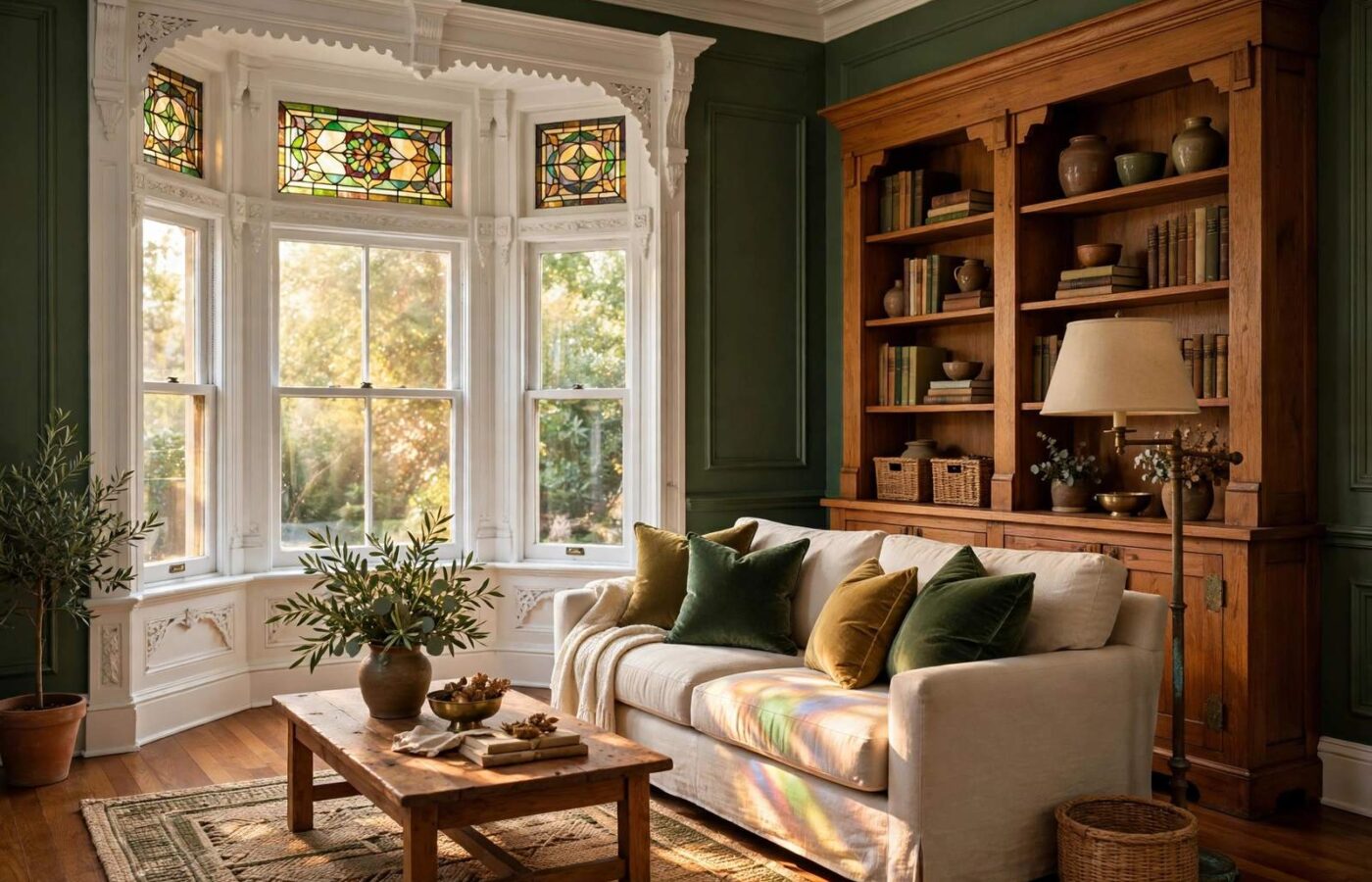
Victorian is not the style most Americans live in — it is the style most buyers wish they could find. Genuine Victorians are scarce: built mostly between 1880 and 1910, many altered or lost, very few come on the market in any month. When one does appear, buyers compete hard for it, and that scarcity is exactly what pushes the index to 100. But scarcity alone does not explain the demand. Victorian homes offer things new construction rarely does: bay windows that flood rooms with light, turrets that turn a bedroom into a hideaway, ornate trim, stained glass, and high ceilings.
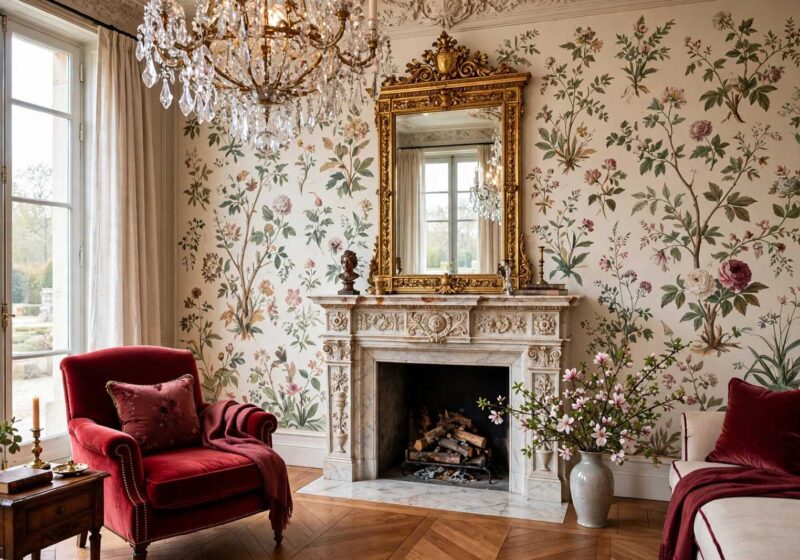
Inside, the Victorian look works best when it is edited rather than copied wholesale. The classic Victorian interior was dark, layered, and heavy with pattern — beautiful in a museum, overwhelming in a family home. The modern version keeps the bones and lightens the rest: keep the original trim, fireplace, and bay window, but paint the walls in a deep, livable green or a warm cream instead of the original burgundy-on-burgundy. Benjamin Moore’s Webster Green, the brand’s 2027 Color of the Year, is a natural fit here — a deep traditional green that flatters dark wood trim and brass fixtures without making the room feel like a period set. Layer in velvet or linen textiles, one strong pattern on curtains or a single accent chair, and warm metals like aged brass. The goal is a room that feels collected over time, not decorated in a single shopping trip.
Craftsman and Traditional: The Steady Climbers
Craftsman takes second place at 69, and it is one of the fastest risers in the index. The style’s appeal is easy to understand: built-in bookcases, window seats, exposed beams, tapered columns, and honest woodwork give a Craftsman home a handcrafted feel that buyers associate with quality. Unlike Victorian, Craftsman interiors are straightforward to live with — open enough for modern life, but with enough built-in detail that the rooms never feel blank. The decorating rule for Craftsman is to let the wood do the talking: warm oak or fir trim, simple linen and leather upholstery, earthy paint colors like olive, warm khaki, or deep terracotta, and mission or schoolhouse lighting. Avoid chrome and high-gloss finishes; they fight the wood instead of flattering it.
Traditional, in third place at 56, is the quiet workhorse of the ranking. It is not a single period style but a blend — symmetrical layouts, classic moldings, paneled doors, and furniture with familiar silhouettes — and that flexibility is its strength. A Traditional interior can absorb almost any color or pattern without clashing, which makes it the easiest of the top styles to decorate on a budget: paint one room a deep green or navy, keep the rest warm white, add patterned curtains or a classic rug, and the house looks intentional. The index shows Traditional rising fast alongside Craftsman, which suggests buyers are choosing proven, livable design over novelty.
Modern Farmhouse Holds Steady, Mediterranean Climbs
Modern Farmhouse, fourth at 32, is the one top-five style that is not rising sharply — it is holding steady. That is not a decline; it is maturity. After a decade as the default new-build style, Modern Farmhouse has become the safe choice rather than the exciting one, and its demand now reflects that: consistent and broad. If you own or love a Modern Farmhouse, the way to keep it fresh in 2026 is to warm it up. The early version of the style — stark white walls, black hardware, shiplap everywhere — now reads as cold next to the richer palettes buyers want. Add warm wood tones, textured linen, a deep green or warm brown accent wall, and vintage or handmade pieces that break up the matching sets.
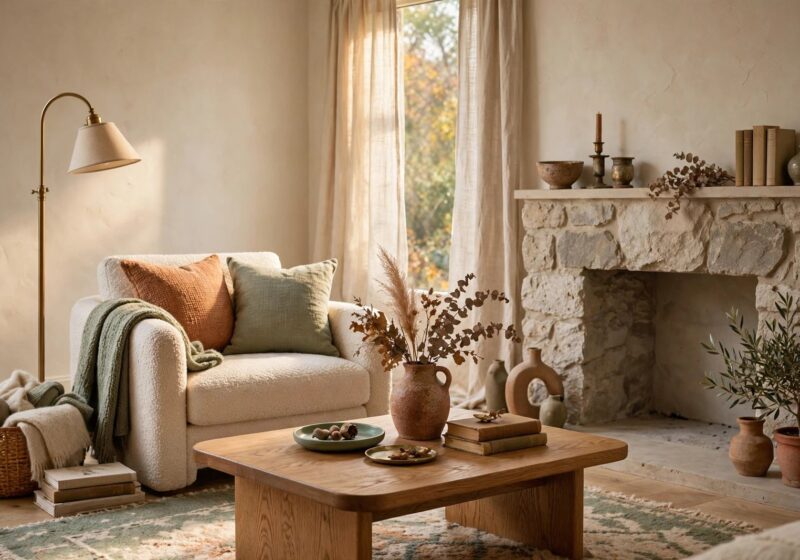
Mediterranean and Spanish Revival, fifth at 26, is the surprise climber of the ranking. Arched doorways, terracotta tile, stucco walls, wrought iron, and courtyards give these homes a resort-like calm that photographs beautifully and feels like an escape from ordinary suburban design. Inside, the style rewards warm, sun-baked color: terracotta, warm cream, dusty blue, and deep olive. Keep floors natural — tile, terracotta, or warm wood — and use texture instead of pattern to add interest: plaster walls, woven baskets, linen drapes, and iron light fixtures. A single dark wood beam or an arched niche is often enough to carry the whole look.
How to Decorate the Top 5 Styles Without Looking Dated
Choosing a popular style is only half the job; the other half is decorating it so it feels like 2026, not a museum. The same three rules work across all five of the top styles.
Keep the architecture, edit the decoration
The reason buyers pay a premium for Victorian, Craftsman, and Mediterranean homes is the architecture itself — the trim, the arches, the built-ins, the tile. Never cover those features up. Paint is the cheapest way to modernize: a fresh coat in a current color (deep green, warm khaki, soft sage) makes original woodwork look intentional instead of old. What dates a room is not the architecture but the accessories: matching furniture sets and themed decor bought all at once. Replace those with a mix of old and new, and the room instantly feels collected rather than staged. If you want a deeper look at how the major styles differ room by room, see our interior design styles guide.
Use the 2027 color palette as your shortcut
The paint brands have already done the trend work for you. The 2027 colors of the year — deep greens, warm browns, and softened blues — suit exactly the traditional styles topping this ranking. Webster Green flatters Victorian trim, Behr’s Grounded is made for Craftsman cabinets, and Valspar’s Cottage Door softens a Mediterranean bedroom. Pick one deep color for a single surface, keep the rest warm white, and you get a current look without repainting the whole house. Our 2027 colors of the year guide compares every brand’s pick side by side.
Mix one old piece with one new piece in every room
The fastest way to make a traditional home feel dated is to fill it only with period furniture; the fastest way to make it feel confused is to fill it only with modern pieces. One antique or vintage item per room — a wooden dresser, a brass lamp, a woven rug — next to clean, modern seating or lighting keeps the balance. In a Victorian living room, that might mean a velvet vintage armchair beside a simple linen sofa; in a Craftsman dining room, a mission-style table under modern pendant lights. The contrast is what makes both pieces look good.
What the Ranking Means for Buyers, Sellers, and Renovators
For sellers, a high index score is good news with a catch: a Victorian or Craftsman listing will attract strong attention, but buyers of these styles arrive with high expectations about condition and original detail. Intact trim, working fireplaces, and well-kept woodwork are worth more than a generic renovation, so protect them before spending on cosmetic updates. For buyers, the ranking is a warning about competition: the highest-ranked styles are the hardest to win, and lower-ranked styles such as Tudor or Cabin / Log usually mean more choice and less bidding pressure. For renovators, the ranking is a design brief. The styles buyers want most share the same ingredients — natural materials, warm color, visible craftsmanship, and rooms with a clear purpose — so a renovation that adds those ingredients will age better than one chasing the next minimalist trend.
Frequently Asked Questions
What are the most popular home styles in America right now?
According to Enzo’s Style Demand Index for November 2026, the most popular home styles are Victorian (index 100), Craftsman (69), Traditional (56), Modern Farmhouse (32), and Mediterranean / Spanish Revival (26). The ranking measures buyer demand per available home, so it reflects both popularity and scarcity.
Why is Victorian the most in-demand home style?
Victorian homes combine strong buyer desire with very low supply — few genuine Victorians come on the market, and buyers compete hard for the ones that do. Their bay windows, ornate trim, stained glass, and distinct rooms also offer character that new construction rarely provides.
Is modern farmhouse still popular in 2026?
Yes, but it has matured. Modern Farmhouse ranks fourth with steady demand rather than fast growth, meaning it is now a safe, broad-appeal choice instead of the trendiest option. Warming it up with wood tones, texture, and deeper paint colors keeps it current.
How do I decorate a Victorian or Craftsman home without making it look dated?
Keep the original architecture, lighten the palette with a current paint color such as a deep green or warm khaki, and mix one vintage piece with modern furniture in each room. Avoid matching furniture sets and heavy period-themed decor, which are what make traditional rooms feel like a museum.
Conclusion
The November 2026 ranking tells a simple story: the most popular home styles in America are the ones with history built in. Victorian leads by a wide margin, and Craftsman and Traditional are climbing fast. For homeowners, the lesson is practical rather than nostalgic — protect original detail, warm up the palette with the year’s deep greens and earthy neutrals, and let each room mix one old piece with one new one. Whether you are buying, selling, or refreshing the home you already love, the styles buyers want most are also the easiest to live with: warm, textured, and full of character.