Walk into ten beautifully decorated homes and you will see ten different versions of beautiful. Some feel calm and airy, others warm and collected, others bold and dramatic. What separates them is not money — it is style. Interior design styles are the shared languages of decorating: a set of colors, materials, shapes and moods that work together. Once you can name the style you love, every decision gets easier, from sofa shopping to paint swatches.
This guide explains ten of the most popular interior design styles in plain language — what each one looks like, who it suits, and how to bring it home without starting from scratch. At the end, a five-question quiz helps you find the style that fits your life, and a simple set of mixing rules shows you how to combine styles without creating chaos.
1. Modern: Clean Lines, Honest Materials
Modern interior design — the style born in the early 20th century, not just “anything new” — is defined by clean lines, uncluttered surfaces, and materials shown honestly: wood, steel, glass, leather. Colors stay neutral with one bold accent. Furniture sits low, with simple shapes and no unnecessary decoration.
Who it suits: people who love order, hate clutter, and want a home that feels calm and current.
Start here: clear one surface completely, choose a low-profile sofa in a neutral fabric, and let a single piece of art be the room’s statement.
2. Scandinavian: Light, Warmth, and Simplicity
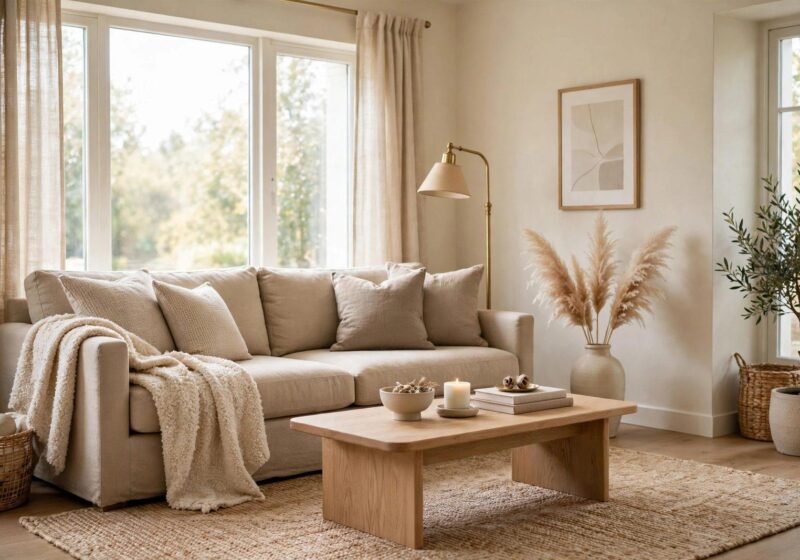
Scandinavian design is modern design made cozy. Pale woods, white walls, soft textiles, and as much natural light as possible — because Nordic winters are long and dark. The feeling is airy but never cold: think sheepskin throws, candles, and wooden floors underfoot.
Who it suits: small spaces, north-facing rooms, and anyone who wants brightness without starkness.
Start here: lighten your walls, add pale wood, and layer textiles — a wool throw, linen curtains, a woven rug.
3. Japandi: Where Japan Meets Scandinavia
Japandi blends Japanese minimalism with Scandinavian warmth: low furniture, natural materials, muted earth tones, and a deep respect for empty space. It is quiet luxury — every object earned its place. If you want the full room-by-room version, our Japandi guide for small apartments covers proportions, storage, and lighting in detail.
Who it suits: small homes, minimalists who still want warmth, and anyone overwhelmed by clutter.
Start here: remove half of what is on display, choose low wooden furniture, and keep one beautiful object per surface.
4. Minimalist: Less, but Better
Minimalism goes further than modern: fewer pieces, hidden storage, and a strict palette — usually monochrome with one natural material for warmth. The goal is not emptiness for its own sake, but a room where everything left is genuinely loved and used.
Who it suits: people who feel calmer with less, and homes where storage can be hidden behind flat-front cabinets.
Start here: choose one room, empty it, then put back only what you use weekly or love deeply.
5. Contemporary: The Style of Right Now
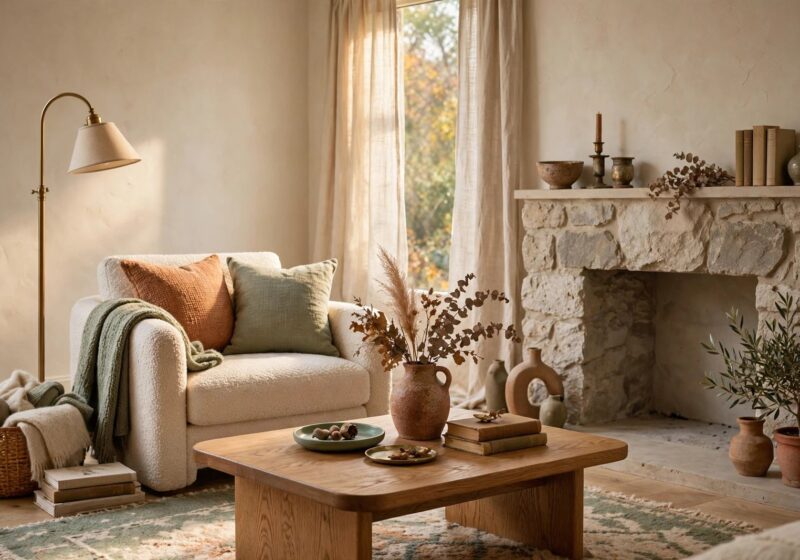
Contemporary is not a fixed style — it is whatever is current, borrowing from modern, minimalist, and whatever else is in the air. Today’s contemporary rooms mix curved sofas, warm neutrals, natural stone, and sculptural lighting. It changes, which is the point: it always feels fresh.
Who it suits: trend-aware decorators who redecorate every few years and like mixing new pieces with classics.
Start here: swap one dated piece for a curved, sculptural one — a rounded armchair or an arched floor lamp — and update your lighting.
6. Bohemian: Collected, Colorful, and Personal
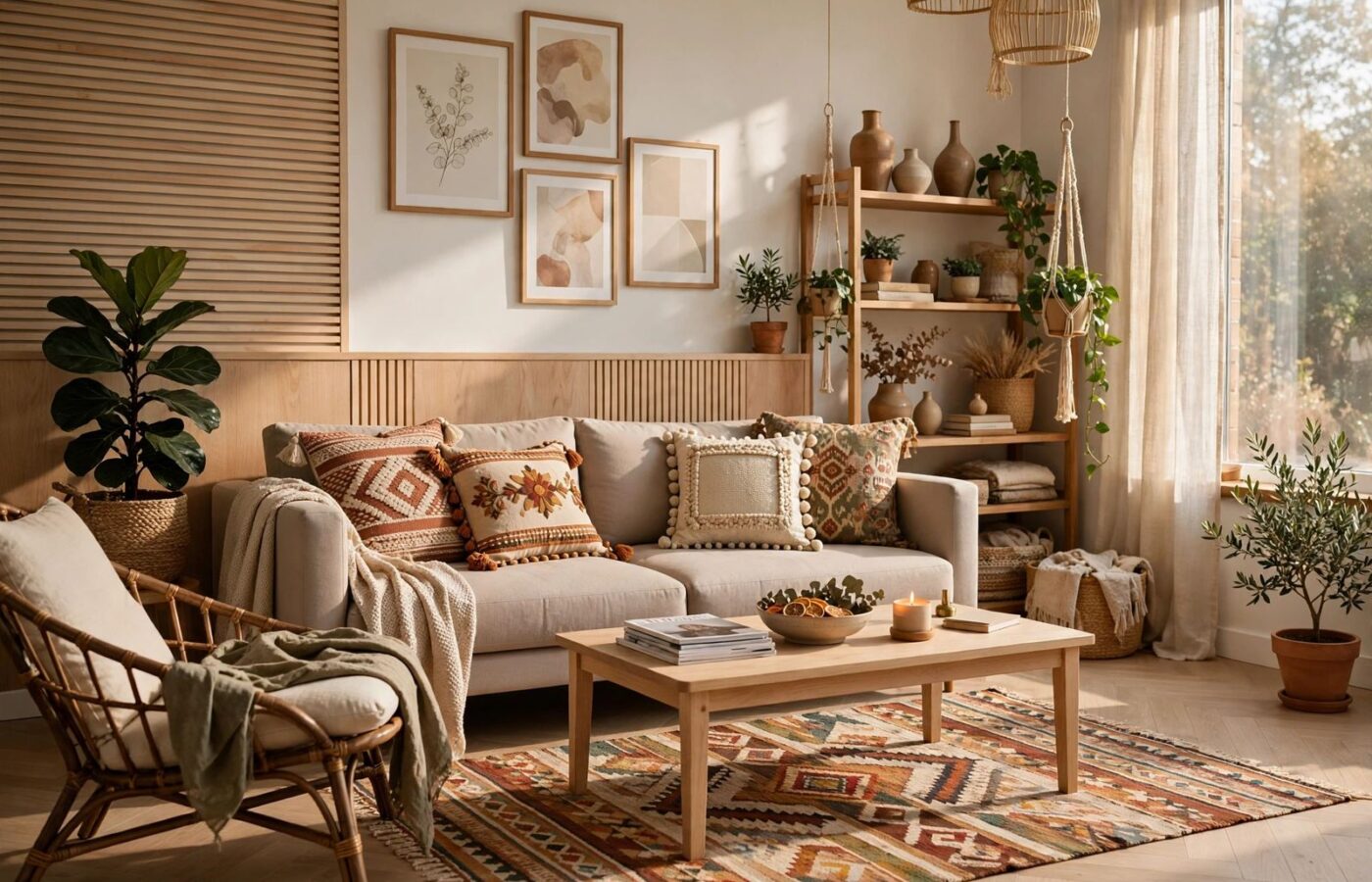
Bohemian (or boho) design is the opposite of minimalism: layered rugs, plants everywhere, global textiles, mixed patterns, and furniture collected over time rather than bought as a set. The rule is that there are no rules — except that everything in the room should mean something to you.
Who it suits: travelers, collectors, renters, and anyone whose home should feel like a story, not a showroom.
Start here: layer two rugs, add plants at three heights, and hang art you collected rather than bought to match.
7. Farmhouse: Rustic Comfort, Modernized
Modern farmhouse keeps the warmth of rural living — wood beams, shiplap, apron sinks, vintage finds — but strips away the clutter and pairs it with clean lines and neutral colors. It is cozy without being fussy, and it works especially well in family homes.
Who it suits: families, larger homes, and anyone who wants warmth and practicality in equal measure.
Start here: add one natural wood element, switch to warm white walls, and choose comfortable, washable fabrics.
8. Industrial: Raw, Honest, and Urban
Industrial design celebrates the building itself: exposed brick, visible pipes, concrete, steel, and reclaimed wood. Furniture is sturdy and functional, lighting is metal and Edison-bulb, and the palette runs dark — charcoal, rust, leather brown.
Who it suits: lofts, apartments with character features, and anyone who prefers raw texture over polished finish.
Start here: expose one raw element if you can (brick, concrete, beams), add black metal lighting, and choose leather and reclaimed wood.
9. Traditional: Timeless, Detailed, and Elegant
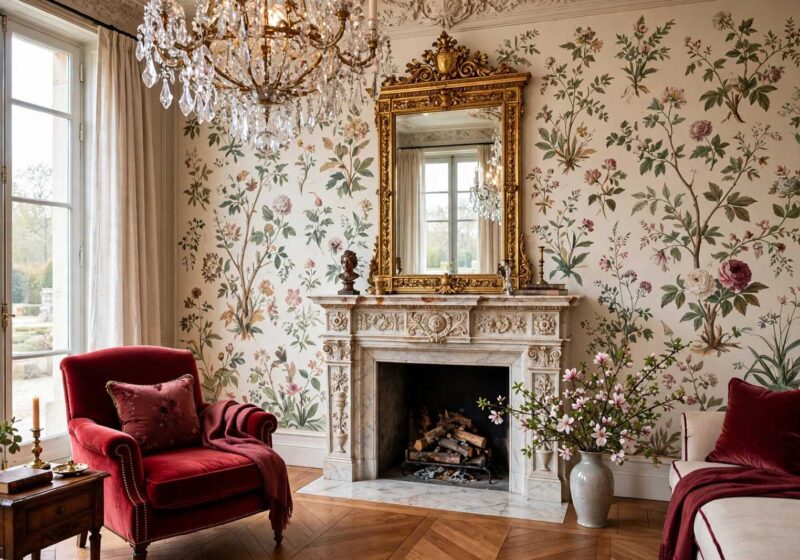
Traditional design draws on classic European interiors: symmetry, rich woods, detailed moldings, patterned fabrics, and furniture with curves and carving. It feels established and elegant — the opposite of trend-chasing — and it ages gracefully because it was never trying to be new.
Who it suits: period homes, formal rooms, and anyone who loves antiques and layered, rich detail.
Start here: add symmetry (matching lamps, paired chairs), choose one rich color, and invest in one well-made traditional piece.
10. Coastal: Breezy, Bright, and Relaxed
Coastal design brings the beach indoors without turning your home into a theme park: white and sand tones, natural fibers like jute and linen, light woods, and blue as an accent — not a rule. The feeling is relaxed and sunlit, even miles from the sea.
Who it suits: bright rooms, holiday homes, and anyone who wants their home to feel like a deep breath.
Start here: lighten the palette to white and sand, add natural fiber textures, and use blue sparingly as an accent.
The 10 Styles at a Glance
| Style | Palette | Key materials | Best for |
|---|---|---|---|
| Modern | Neutral + one bold accent | Steel, glass, leather | Order lovers |
| Scandinavian | White, pale wood, soft grey | Light wood, wool, linen | Small, dark rooms |
| Japandi | Muted earth tones | Wood, bamboo, stone | Calm minimalists |
| Minimalist | Monochrome | Hidden storage, matte finishes | Clutter-free living |
| Contemporary | Warm neutrals | Stone, curved forms | Trend-aware homes |
| Bohemian | Rich, layered color | Rattan, textiles, plants | Collectors, renters |
| Farmhouse | Warm white, wood tones | Wood, shiplap, iron | Family homes |
| Industrial | Charcoal, rust, brown | Brick, steel, concrete | Lofts, urban flats |
| Traditional | Rich, deep colors | Dark wood, silk, velvet | Period homes |
| Coastal | White, sand, soft blue | Jute, linen, light wood | Bright, relaxed rooms |
Quiz: Which Interior Design Style Fits You?
Answer honestly — your first instinct is usually right.
- Your ideal Saturday morning is: a) a clean, quiet room with coffee and a book; b) a farmers’ market and a house full of plants; c) a flea market hunting for vintage finds.
- Your nightmare room is: a) cluttered and chaotic; b) cold and empty; c) matching furniture sets.
- Your favorite texture is: a) smooth leather or matte lacquer; b) soft wool and linen; c) rough wood and woven rattan.
- Your color comfort zone is: a) neutrals with one bold pop; b) whites and pale woods; c) deep, rich color everywhere.
- You redecorate: a) rarely — you buy once and keep it; b) seasonally, with textiles and plants; c) constantly, as you find new treasures.
Mostly A’s: modern, minimalist, or Japandi. Mostly B’s: Scandinavian, coastal, or farmhouse. Mostly C’s: bohemian, industrial, or traditional. A mix? You are a contemporary decorator — and the mixing rules below are for you.
How to Mix Styles Without Chaos
Most real homes mix styles, and the best ones do it on purpose. Three rules keep a mix from turning into a mess:
- One lead style, one accent style. Let one style run about 80 percent of the room, and borrow the second at 20 percent — a boho rug in a modern room, an industrial lamp in a farmhouse kitchen.
- One shared element. Mixed rooms hold together when something repeats: one wood tone, one metal finish, or one color carried through every piece.
- Match the mood, not the label. Scandinavian and Japandi mix beautifully because both are calm; bohemian and industrial mix because both are textural. Styles with the same feeling blend; styles with opposite feelings fight.
FAQ
What is the most popular interior design style right now?
Modern, Scandinavian, and Japandi lead current taste, with contemporary close behind — all share clean lines and warm neutrals, which is why they blend so easily.
Can I mix two interior design styles?
Yes — use one as the lead (about 80 percent) and one as the accent (about 20 percent), and keep one element — wood tone, metal, or color — consistent across both.
What interior design style is best for a small home?
Scandinavian and Japandi are the strongest choices: light palettes, low furniture, and hidden storage make small rooms feel larger and calmer.
How do I choose an interior design style?
Start with the quiz above, then look at the rooms you already love — photos you saved, homes you admire — and notice which style appears most often. That pattern is your answer.
Conclusion
Interior design styles are tools, not rules. Learn the ten, find the one that feels like home, and borrow from the others where they make your life better. Your home does not need to match a label perfectly — it needs to feel like yours, work for your life, and make you glad to walk through the door. For the planning method behind every style here, start with our complete interior design guide, and for style-by-style room ideas, browse the interior design styles section.